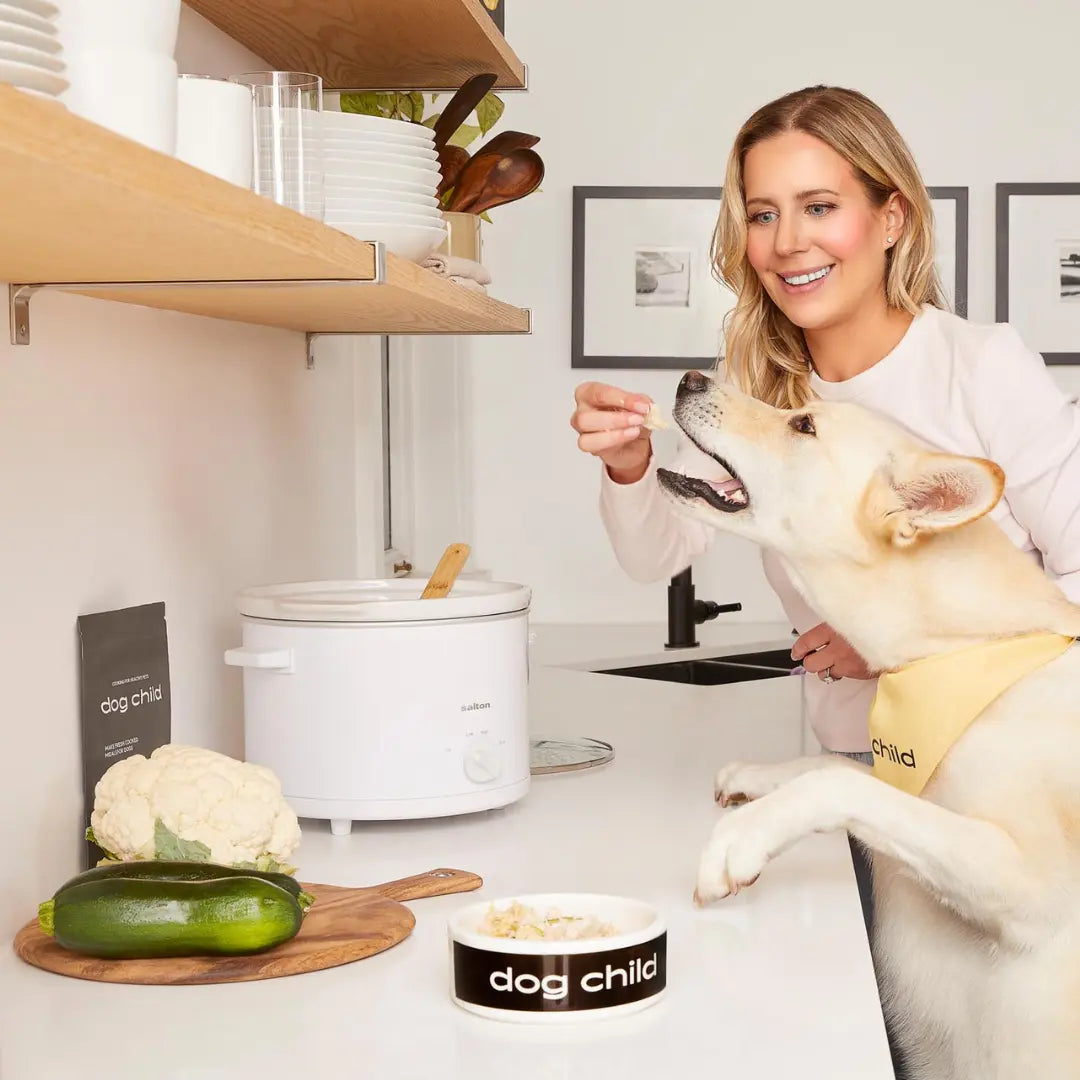
A feeding bowl can look right while the maths underneath has gone wrong. In May 2026, an early study in Veterinary Sciences tested a dynamic feeding method in 19 dogs over 10 weeks. The team used real-time activity data to adjust energy intake rather than relying on a fixed daily amount. Maven Pet enters the discussion here because it is a vet-co-created, clinically validated health monitoring system that tracks everyday health patterns and helps owners spot changes.
Dog weight deserves that level of attention. The Association for Pet Obesity Prevention’s 2022 report found that 59% of dogs assessed by US veterinary professionals were were overweight or had obesity. Many owners also viewed pets with excess weight as normal. That gap matters at home because most feeding decisions happen between vet visits.
1. You Feed the Same Amount Every Day
A Dog Health Tracker has changed the feeding conversation because it turns daily movement into data that an owner can read. A dog may burn more energy after a long park visit and less after rain keeps everyone indoors. Fixed portions miss that difference. The new study tested the same broad idea by adjusting food through activity-based energy needs.
Maven’s Dynamic Caloric Needs feature is in BETA. It supports dogs only and requires a dry or wet packaged food profile with metabolizable energy listed. Homemade and raw diets do not fit the feature yet.
2. The Measuring Cup Has Become Guesswork
A scoop can drift from level to heaped in a week. Dry food also varies in calories by brand and recipe. The label gives metabolizable energy, which means the energy your dog can use from that food. If the bag says 390 kcal per cup and the scoop holds more than a cup, dinner has changed without anyone changing the plan.
The practical fix starts with a gram measurement. Weigh the food for a few days and compare it with the label. Then count extras. A pet health tracker can also help you record daily portions and treats, making it easier to spot small changes in feeding habits over time.
Cornell’s canine obesity guidance notes that table food and treats can form a large share of daily intake for some dogs. A biscuit here and a crust there can undo a careful meal.
3. Weight Creeps Up After Low-Activity Weeks
A calm week can change feeding needs. Heat, storms or a busy work stretch can cut walks without changing appetite. The Sacoor et al. proof-of-concept study used activity data to guide energy prescriptions in shelter dogs. Over 10 weeks, the approach helped most dogs maintain body condition while intake changed with measured activity.
That finding does not prove that every household needs an activity-linked feeding tool. It does give owners a better question. Instead of asking whether the bowl looks normal, ask whether the bowl matches the week your dog had. A young dog with three active days may need a different plan from the same dog after several sofa-heavy days.
4. The Feeding Question Keeps Changing
Most owners have typed “how much should I feed my dog” at some point and hoped for a single answer. Dogs rarely cooperate with that. Breed, age and neuter status all affect energy needs. Activity changes the answer again. A food label can give you a starting range, but it cannot know whether Tuesday involved a long walk or a day indoors.
Body condition scoring gives you a better home check. You should feel ribs under a light covering. Your vet can show you the score system during a routine visit. The Pet Nutrition Alliance calorie calculator also frames calorie estimates as veterinary support rather than a replacement for professional advice. That keeps the number in context.
5. The Waistline Has Gone Missing
A healthy dog should have a visible waist from above and an abdominal tuck from the side. Long coats can hide changes, so hands matter as much as eyes. If you need pressure to feel the ribs, the food plan may need review. If the collar has tightened, the same point applies.
This sign can embarrass owners, but it should not. Weight gain often builds through ordinary routines. A few extra calories each day become visible months later. The useful step is calm measurement. Record weight, body condition and food intake for two weeks. Bring those notes to a veterinarian before cutting meals in a large way.
6. Treats Have Become Part of the Meal Plan
Training treats and dental chews count. So do peanut butter fillers and scraps from children’s plates. Owners may treat those items as affection rather than calories. Dogs do not separate them that way. Energy enters the body whether it came from a bowl or a hand.
Set a treat allowance and subtract it from daily food. Use smaller pieces during training. For dogs that need weight control, ask your vet about lower-calorie rewards. A dog does not need a large portion to understand praise. Consistency carries more value than size when you build a routine.
7. Your Older Dog Still Eats Like a Younger One
Age can change movement and body composition. Montoya et al. published life expectancy tables for dogs in 2023 and discussed how body condition relates to survival patterns across age groups. Older dogs need weight assessment with care because illness and muscle loss can complicate the picture.
A senior dog should not move onto a weight-loss plan without veterinary input. The better first step is a check-up and a body condition score. Your vet may also assess muscle condition. Those two measures tell a fuller story than weight alone. A lighter dog can still have poor nutrition if muscle has fallen.
8. You Treat Extra Weight as a Cosmetic Issue
Overfeeding affects more than appearance. Salt et al. found that overweight body condition was linked with shorter life span across 12 common breeds. The study reported the largest gap in Yorkshire Terriers, where overweight dogs lived up to two and a half years less than dogs with normal body condition.
That does not make weight management a matter of blame. It makes it a matter of routine. Measure food. Count treats. Match intake to activity. Ask for veterinary guidance when weight changes or appetite changes. The new activity-based feeding research points toward a more responsive future, but the first improvement still starts with the next measured meal.