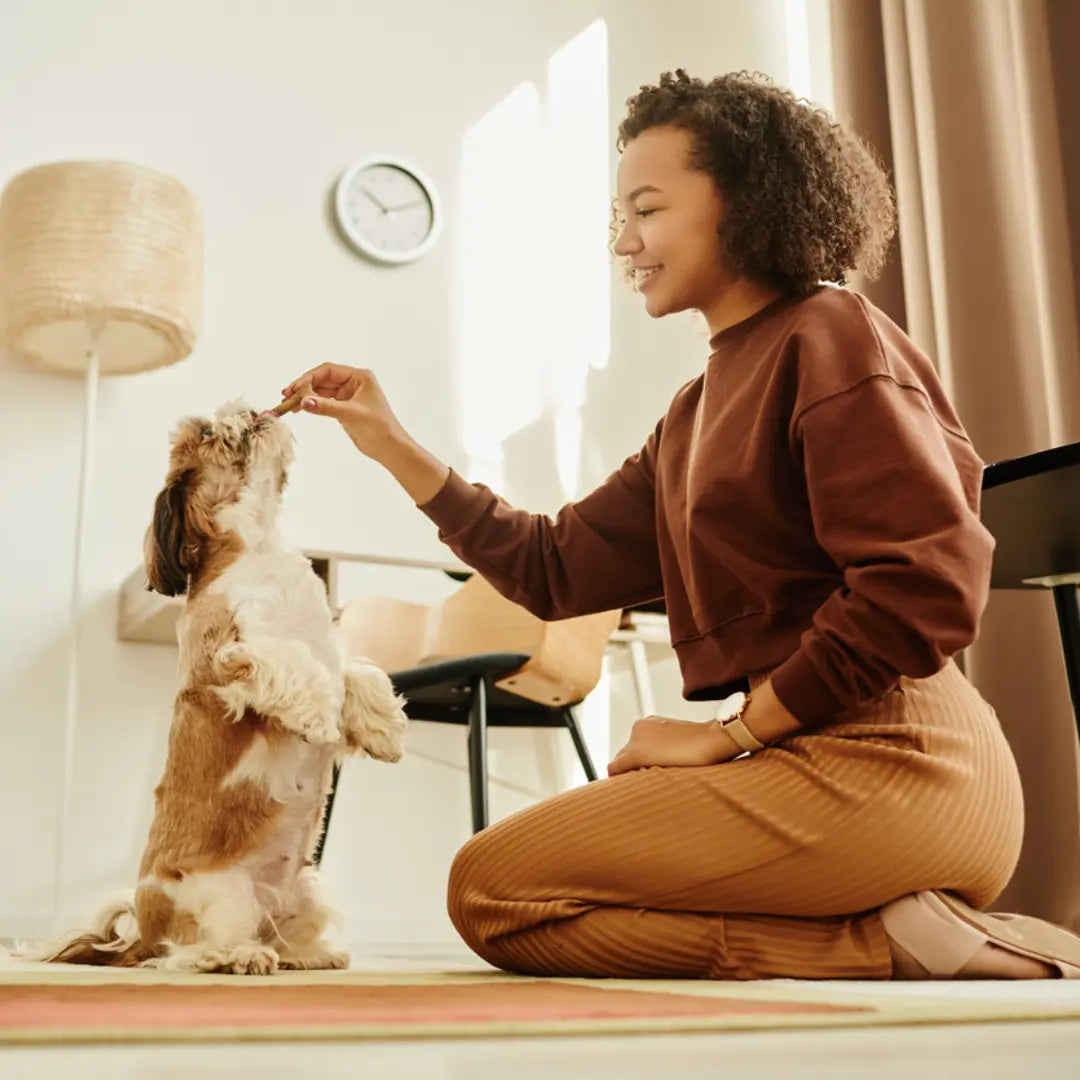
Dog owners invest considerable time and energy into their pets' wellbeing, from nutrition and exercise to veterinary care and training. Yet one aspect of canine health that often goes overlooked is the quality of the air they breathe indoors. Just as we prepare nutritionally balanced meals for our dogs, we should also consider the environment in which they live and spend most of their time. Indoor air quality directly affects respiratory health, skin condition, and overall comfort for both dogs and their human families.
The home environment encompasses more than just food and water bowls. Pet owners are increasingly recognizing that factors like dust, allergens, pet dander, and odors can accumulate in indoor spaces, potentially affecting their dogs' health and quality of life. When combined with a commitment to proper nutrition through home-cooked meals, attention to air quality creates a more comprehensive approach to pet wellness. Some households explore solutions like air purifiers for pets to help manage airborne particles, though the broader principle remains simple: a cleaner living space supports better health outcomes.
Understanding Indoor Air Quality For Dogs
Dogs experience their world through their senses, and their respiratory systems are sensitive to the air they breathe daily. Unlike humans who might spend part of their day outdoors or in varied environments, many dogs spend the majority of their time inside their homes. This means the quality of indoor air has a direct and sustained impact on their wellbeing.
Common indoor air pollutants include dust, pollen, pet dander, mold spores, and household odors. While these particles are invisible to the naked eye, they can accumulate over time and affect respiratory function. Dogs with allergies or sensitivities may experience increased itching, sneezing, or coughing when air quality deteriorates. Even healthy dogs benefit from cleaner air, as it reduces the overall burden on their respiratory and immune systems.
The connection between air quality and nutrition is worth noting. When dog owners invest in home-cooked meals with balanced nutrients, they're supporting their dogs' immune systems and overall health. That same commitment to wellness extends naturally to the air quality in the home. A dog breathing clean air while eating nutritionally complete meals experiences compounded benefits that support long-term health.
Identifying Common Indoor Air Challenges
Pet households face unique air quality challenges that non-pet homes may not experience. Pet dander, shed fur, and odors are constant factors in homes with dogs. While regular grooming and vacuuming help manage visible hair and debris, microscopic particles remain suspended in the air for extended periods.
Keeping up with shed fur and dander goes a long way toward a healthier home, and the right gear makes it easier — PetLovers makes pet-hair removers and home-care products designed specifically for dog households.
Seasonal changes also affect indoor air quality. During winter months when homes are sealed tight against cold weather, air circulation decreases and pollutants accumulate more readily. Spring and summer bring pollen and outdoor allergens that can be tracked inside on paws and clothing. Humidity levels fluctuate throughout the year, potentially creating conditions favorable for mold growth or dust mite proliferation.
Cooking, whether it's preparing home-cooked dog meals or family dinners, generates cooking odors and particulates. Cleaning products, air fresheners, and other household chemicals release volatile organic compounds into the air. Even seemingly minor factors like candles or incense can affect air quality in ways that impact sensitive respiratory systems.
The Role Of Ventilation And Air Circulation
Proper ventilation is foundational to maintaining healthy indoor air. Opening windows when weather permits allows fresh air exchange and helps dilute accumulated pollutants. However, relying solely on natural ventilation isn't always practical, especially in climates with extreme temperatures or high outdoor pollution levels.
Mechanical ventilation systems, including exhaust fans in bathrooms and kitchens, help remove moisture and odors at their source. Ceiling fans and portable fans improve air circulation throughout rooms, preventing stagnant pockets where particles settle. Good air circulation is particularly important in areas where dogs spend significant time, such as bedrooms or living rooms.
Beyond basic ventilation, many households benefit from additional air management strategies. Regular filter changes in HVAC systems ensure that existing systems work efficiently. Attention to humidity levels, typically maintained between 30 and 50 percent, helps prevent both mold growth and excessive dryness that can irritate respiratory passages.
Complementary Practices For A Healthier Home
Air quality improvement works best as part of a comprehensive approach to home health. Regular cleaning removes dust and allergens before they become airborne. Vacuuming with HEPA filters captures fine particles rather than recirculating them. Washing dog bedding frequently reduces accumulated dander and odors.
Choosing pet-safe cleaning products prevents the introduction of harsh chemicals into the home environment. Many conventional cleaners release fumes that linger in the air and can irritate respiratory systems. Natural alternatives or products specifically formulated to be pet-safe provide effective cleaning without compromising air quality.
Maintaining appropriate humidity levels prevents both mold growth and excessive dryness. Humidifiers help during dry winter months, while dehumidifiers address excess moisture in humid climates. Proper ventilation during and after bathing your dog prevents moisture buildup that could encourage mold development.
Reducing unnecessary sources of air pollution makes a measurable difference. Minimizing use of air fresheners, scented candles, and aerosol products eliminates unnecessary chemical emissions. Smoking outdoors rather than indoors prevents smoke from accumulating in the home environment.
Integrating Air Quality Into Your Dog's Overall Wellness
A holistic approach to dog health addresses multiple factors simultaneously. Nutritionally balanced home-cooked meals provide the foundation for strong immune function and overall vitality. Clean air supports respiratory health and reduces the burden on the immune system. Regular exercise, mental stimulation, and preventive veterinary care complete the picture.
When these elements work together, dogs experience measurable improvements in energy levels, coat quality, and general wellbeing. Owners often notice their dogs seem more comfortable, with fewer respiratory issues or allergy symptoms. The investment in creating a healthier home environment pays dividends across multiple aspects of canine health.
Consistency matters in maintaining these improvements. Just as home-cooked meals require ongoing preparation and attention, air quality maintenance is an ongoing commitment rather than a one-time fix. Regular cleaning, attention to ventilation, and monitoring of indoor conditions create lasting benefits.
Conclusion
Creating a healthier home for your dog extends beyond the food bowl. The air your dog breathes throughout the day significantly impacts their respiratory health, immune function, and overall quality of life. By addressing indoor air quality through ventilation, regular cleaning, and attention to humidity levels, you provide your dog with an environment that supports their wellbeing. Combined with proper nutrition, exercise, and veterinary care, attention to air quality represents a meaningful investment in your dog's long-term health and happiness. Small, consistent efforts to improve your home environment create meaningful improvements in your dog's daily comfort and wellness.