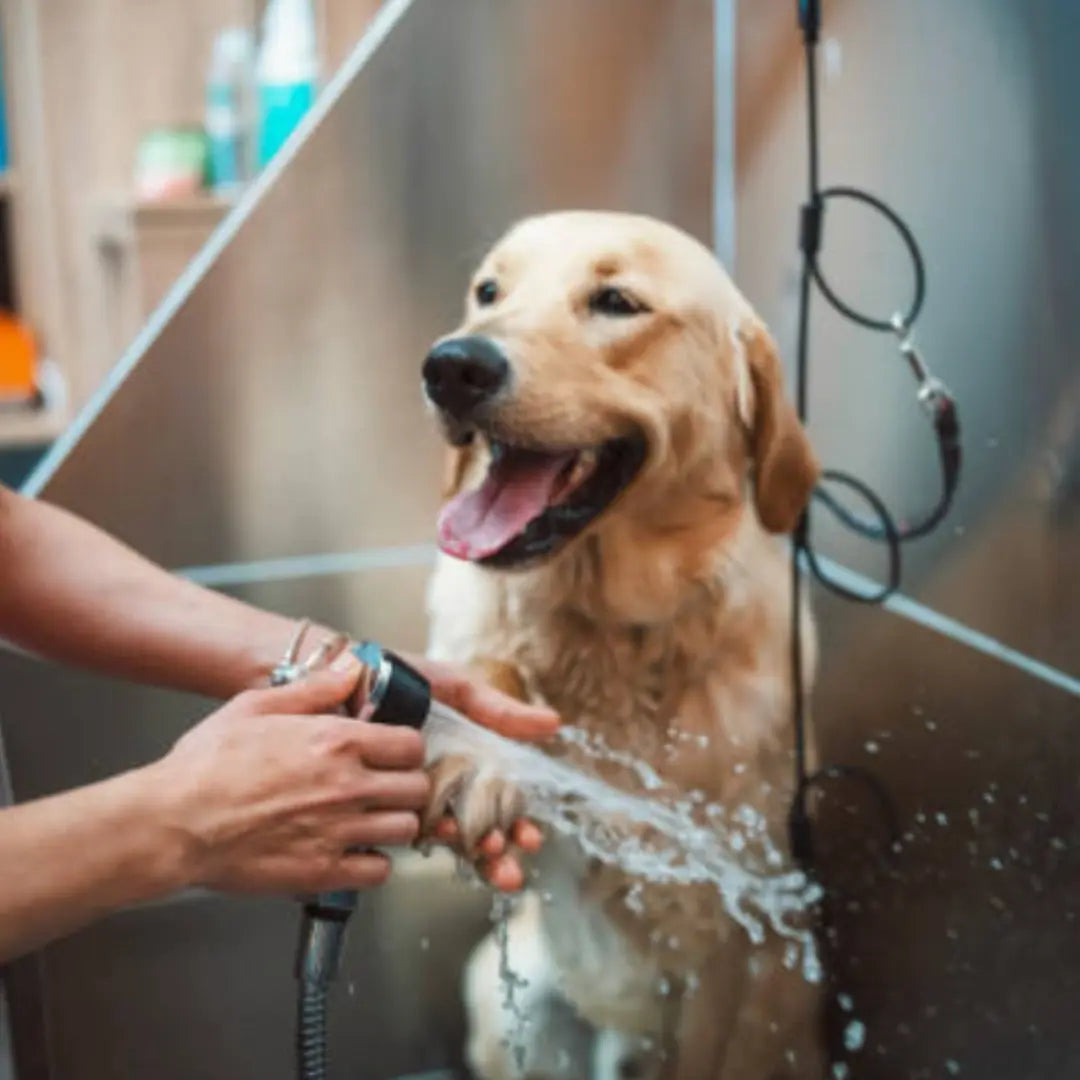
Grooming is one of the recurring wellness decisions a dog parent makes across the dog's life, and the decision looks meaningfully different for senior dogs, anxious dogs, and rescues than it does for confident young dogs who tolerate the standard grooming-shop experience without difficulty. The conventional grooming-salon model (drop-off, kennel waiting, multi-hour visit, pickup) works for many dogs but produces real stress for the dogs whose age, temperament, or history makes the kennel-and-waiting experience meaningfully harder. The dog parents who recognise the difference and plan around it tend to maintain their dog's coat, skin, and grooming-related health markers more consistently than parents who default to whatever option is closest. The North Texas suburbs in particular have produced a meaningful concentration of mobile-grooming options that fit this audience, and the dog parents in The Colony specifically have access to the kind of in-home mobile grooming that addresses the senior-and-anxious-dog problem directly.

Dog parents in The Colony are working in a market that has organised meaningfully around senior and anxious dogs. The Colony pet grooming services that operate as mobile salons tend to follow a recurring at-home appointment cadence, a stress-mitigation methodology, and a wellness-pairing approach that is worth understanding before the first booking. The mobile-grooming model rewards the careful match-up between dog and groomer more than the conventional shop model does, the cost structure is meaningfully different from a drop-off salon, and a few thoughtful planning decisions usually produce a better long-term grooming experience for the dog and a steadier coat-and-skin condition over time.
Why Does Stress-Free Grooming Matter More for Senior and Anxious Dogs?
Grooming-related stress has measurable effects beyond the appointment. Cortisol-driven responses can produce gastrointestinal upset, suppressed appetite for 24 to 48 hours, and over time a learned avoidance pattern. For senior dogs the stress can exacerbate underlying conditions: arthritis flares from prolonged standing, blood-pressure spikes in cardiac dogs, anxiety-driven panting, and joint stress from being lifted into grooming tubs.
Four factors shape the decision:
-
Waiting environment. Conventional shops involve several hours of kennel time between bath, dry, and finish stages, which is uneventful for confident young dogs but often the most stressful part of the day for seniors and anxious dogs.
-
Transport. Car rides and lifting in and out of the vehicle compound joint and muscle stress for seniors with mobility concerns.
-
Handler continuity. Senior and anxious dogs respond better to a single handler in a familiar environment than to the multi-handler shop workflow.
-
Duration. Mobile appointments run 1.5 to 3 hours start to finish; shop visits stretch to 4 to 6 hours once kennel waiting is included.
A "fear-free" methodology combines low-stimulation environments, slow handling, treat-based reinforcement, and breaks. A senior-dog protocol adds shorter sessions, table padding, and lower-pressure handling. The American Kennel Club's grooming guidance recommends introducing grooming early with positive reinforcement, which the better mobile groomers apply in their first-visit protocols. Owners building a coordinated wellness routine look at nutrition, supplementation, and grooming together.
What Should Dog Parents in The Colony Look For in a Mobile Groomer?
Seven criteria worth checking before the first appointment:
-
Self-contained mobile salon. Hot and cold water, an elevated non-slip table, professional dryers, climate control inside the van. Equipment that requires the dog parent's bathtub is a step down.
-
Senior and anxious dog experience. The groomer should describe modifications for seniors (padding, shorter sessions, breaks) and for anxious dogs (slow introductions, treat reinforcement, willingness to abort and reschedule).
-
Wellness check inclusion. A visual wellness check (skin, coat, eyes, ears, lump observation) in every appointment, catching issues seniors' owners may miss between vet visits.
-
Insurance and licensing. Liability insurance and applicable state or local business licensing, verifiable on request.
-
Documented sanitation between dogs. Table cleaning, equipment sanitation, fresh water lines. Skin and coat conditions transmit without proper protocols.
-
Transparent pricing. Mobile runs 25 to 50 percent above shop pricing. Add-ons (de-shedding, nail grinding, gland expression) priced separately and visible before booking.
-
Reasonable cancellation policy. Senior and anxious dogs occasionally need to skip; the policy should accommodate rescheduling without penalty within the standard window.

What Common Mistakes Do Dog Parents Make Around Senior and Anxious Dog Grooming?
Recurring mistakes grouped by theme:
Cost and cadence. Treating mobile grooming as a luxury misses the wellness math; the 25-to-50 percent premium often offsets stress-related vet visits over time. Letting the cycle stretch past 6 to 8 weeks produces longer mat-and-tangle sessions; senior dogs do better on a 3-to-5-week rotation.
Coordination. Skipping the meet-and-greet visit treats a learning session as a full appointment and produces unnecessary stress. The ASPCA's guidance on medication timing recommends scheduling grooming around windows for dogs on sedatives or anti-anxiety prescriptions; raise it with the vet. Senior nutrition pairs with grooming, so many owners combine shorter sessions with senior-tailored feeding adjustments.
Observation. Overlooking nail care between visits triggers fear responses; at-home nail filing or cooperative-care desensitisation calms the in-appointment nail experience. Tracking the 48 hours after a visit (appetite, lethargy, scratch behaviour around shaved areas) catches issues earlier than moving on to the next task.
Frequently Asked Questions From Dog Parents in The Colony Planning Grooming
How often should a senior or anxious dog be groomed?
The standard grooming cadence is 4 to 8 weeks depending on coat type, but senior and anxious dogs often benefit from shorter, more frequent appointments at the 3-to-5-week mark. The shorter sessions are easier on the dog and the more frequent cadence prevents the mat-and-tangle escalation that produces longer stressful grooming visits.
Is mobile grooming worth the price premium for healthy young dogs too?
Sometimes, depending on the household. Households with multiple dogs, households where the human schedule makes grooming-shop drop-off difficult, and dogs who happen to find car rides genuinely stressful all benefit from mobile grooming regardless of age. For confident young dogs in households where the conventional grooming-shop experience works well, the price premium is harder to justify on stress grounds alone.
Should I be present during the mobile grooming appointment?
Generally yes for the first visit and optional thereafter. Your presence helps the groomer learn the dog's signals and helps the dog acclimate to the new handler. After the first one or two visits, many dogs are comfortable with the groomer alone and the dog parent can step away for the appointment without affecting the experience.
What should I do if my dog has a difficult appointment?
The right response is to have a calm conversation with the groomer about what happened, what the trigger was, and what could be done differently next time. A single difficult appointment is usually not a reason to switch groomers; a pattern of difficult appointments often is. The mobile-grooming model specifically accommodates the slower, more methodical approach that often resolves the underlying difficulty across two or three visits.
A Final Note for Dog Parents in The Colony Planning Grooming
The grooming decision is one of the more frequent wellness decisions a dog parent makes, and the decision rewards the dog parent who treats senior and anxious dogs differently from confident young dogs. The dog parents in The Colony who match their dog to a mobile-grooming option that handles the senior-and-anxious-dog case specifically, who plan a more frequent and shorter cadence than the standard 6-to-8-week rotation, who coordinate the grooming with the broader wellness routine, and who track the post-appointment behaviour as a wellness signal tend to maintain their dog's coat, skin, and overall condition more cleanly than the dog parents who default to whatever option is closest. The marginal effort of the careful planning is small. The marginal benefit shows up across the dog's senior years, when the difference between grooming-as-routine and grooming-as-stressor is at its most visible. North Texas dog parents in particular benefit from understanding the seasonal rhythm of the local mobile-grooming market, the relationships between the better operators and the local veterinary network, and the way a small set of trusted handlers tends to compound across years of recurring appointments. The senior-dog years specifically reward the dog parent who picked an operator early, kept the appointment cadence short, and built the kind of working relationship that lets the groomer flag a skin or behaviour change before the owner notices it on their own. That relationship is the underrated outcome of treating mobile grooming as a wellness investment rather than a recurring transaction, and the dog parents in The Colony who think about the decision in those terms typically find the rest of the wellness routine settles into a more coherent rhythm too.